AS
Air Sterilization
Systems designed to reduce biological and airborne contaminants inside occupied environments.

Nuairs develops air sterilization systems, VOC mitigation platforms, environmental control solutions, and engineered monitoring frameworks shaped by field research, prototype development, and production collaboration.
Nuairs organizes its work around four practical solution families that support healthier indoor environments, operational reliability, and more targeted air quality control.
Systems designed to reduce biological and airborne contaminants inside occupied environments.
Engineered methods for identifying volatile zones and reducing the burden of chemical emissions indoors.
Integrated air treatment and control systems for specialized building and operational needs.
Support for measuring environmental performance and understanding hotspot conditions over time.
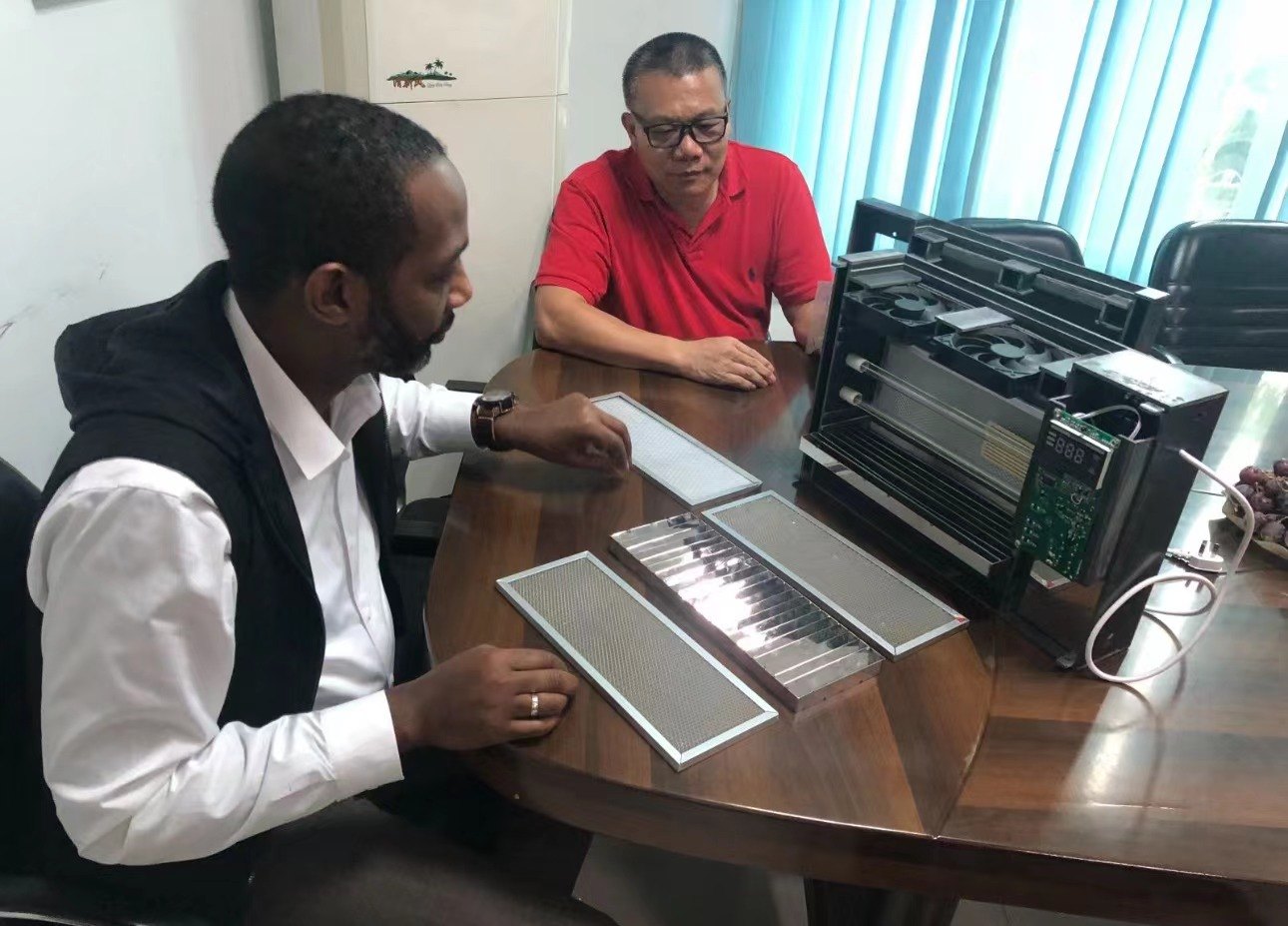
Nuairs technology development brought together ambient air treatment research, airflow control, filtration architecture, and early physical models. Those efforts helped turn laboratory thinking into product platforms capable of addressing VOC exposure, sterilization, and cleaner occupied spaces.
Nuairs emerged from the research and determination of founder Lael Alexander, whose work was driven by the challenge of air quality in Edgard, Louisiana and the broader river parishes often associated with heavy chemical emissions. The study of plume effect, VOC burden, CO₂ conditions, and lived environmental exposure led to deeper work on mitigation inside the spaces where people actually live.
Alexander’s research focused on identifying emission fallout patterns and understanding how volatile conditions affected homes and communities. Once hotspot conditions were established, the work shifted toward mitigation and air treatment approaches.
That work gave way to core thinking around air sterilization and Photo Catalytic Ionization of ambient air — a foundation for VOC reduction and one of several pathways connected to Alexander’s broader nitrogen-centered research.

Cleaner air support for clinical, care, and waiting environments.
Environmental systems for office, retail, and shared-use settings.
Air treatment approaches for operational spaces with more demanding conditions.
Support for controlled environments and indoor cultivation considerations.
Guest-facing environments requiring comfort, confidence, and clean-air signaling.
Mitigation-driven thinking for homes and community spaces near exposure zones.
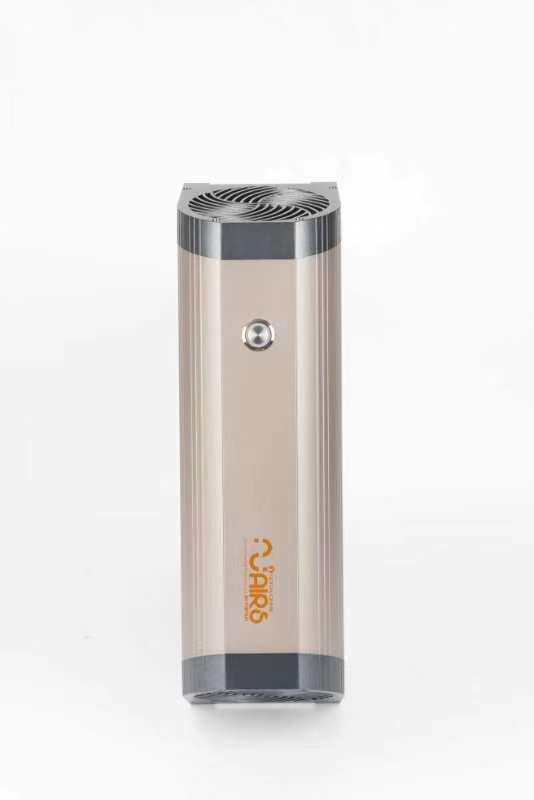
Standalone units designed for flexible deployment and local air treatment.
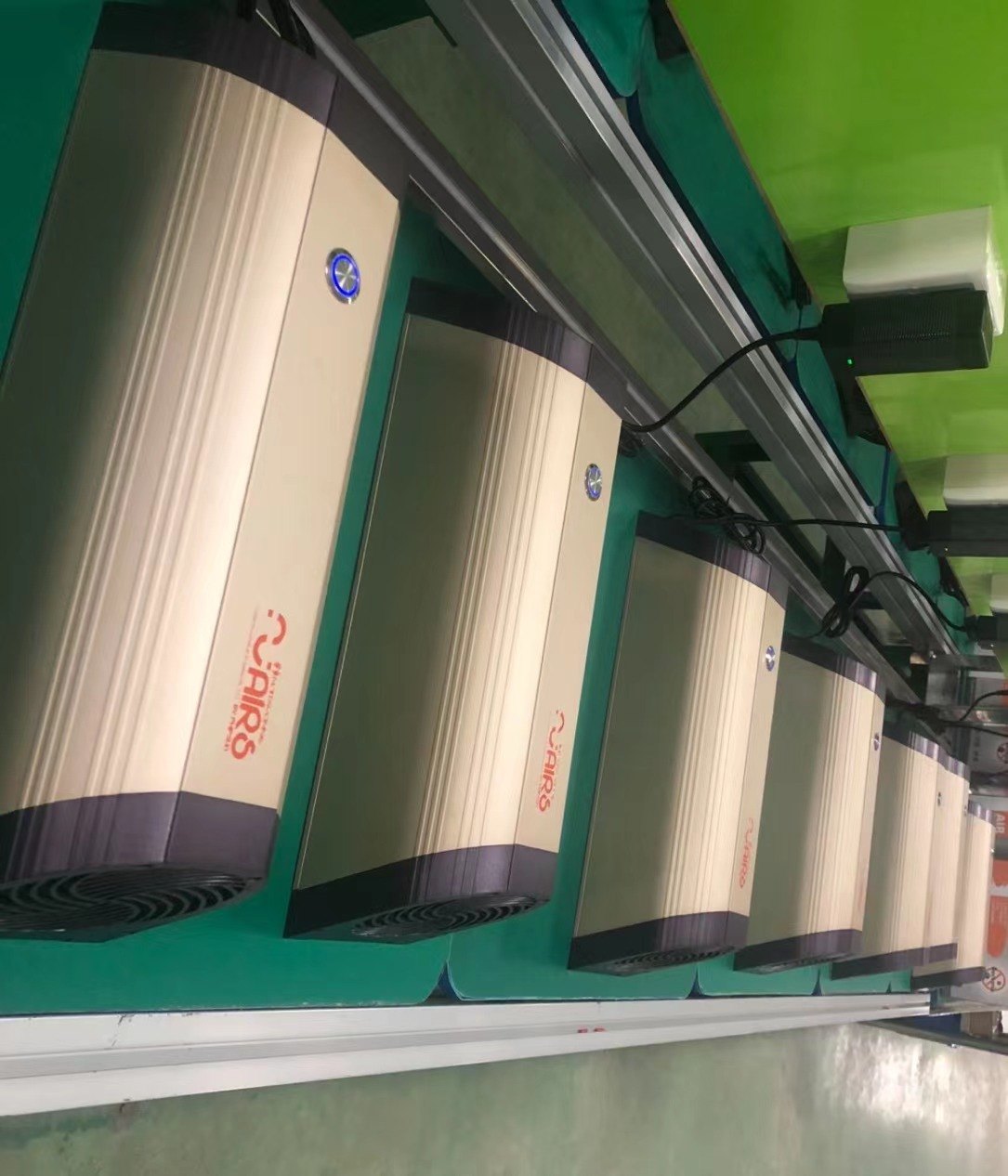
Architectures suited for fixed placement, repeated use, and scaled distribution.
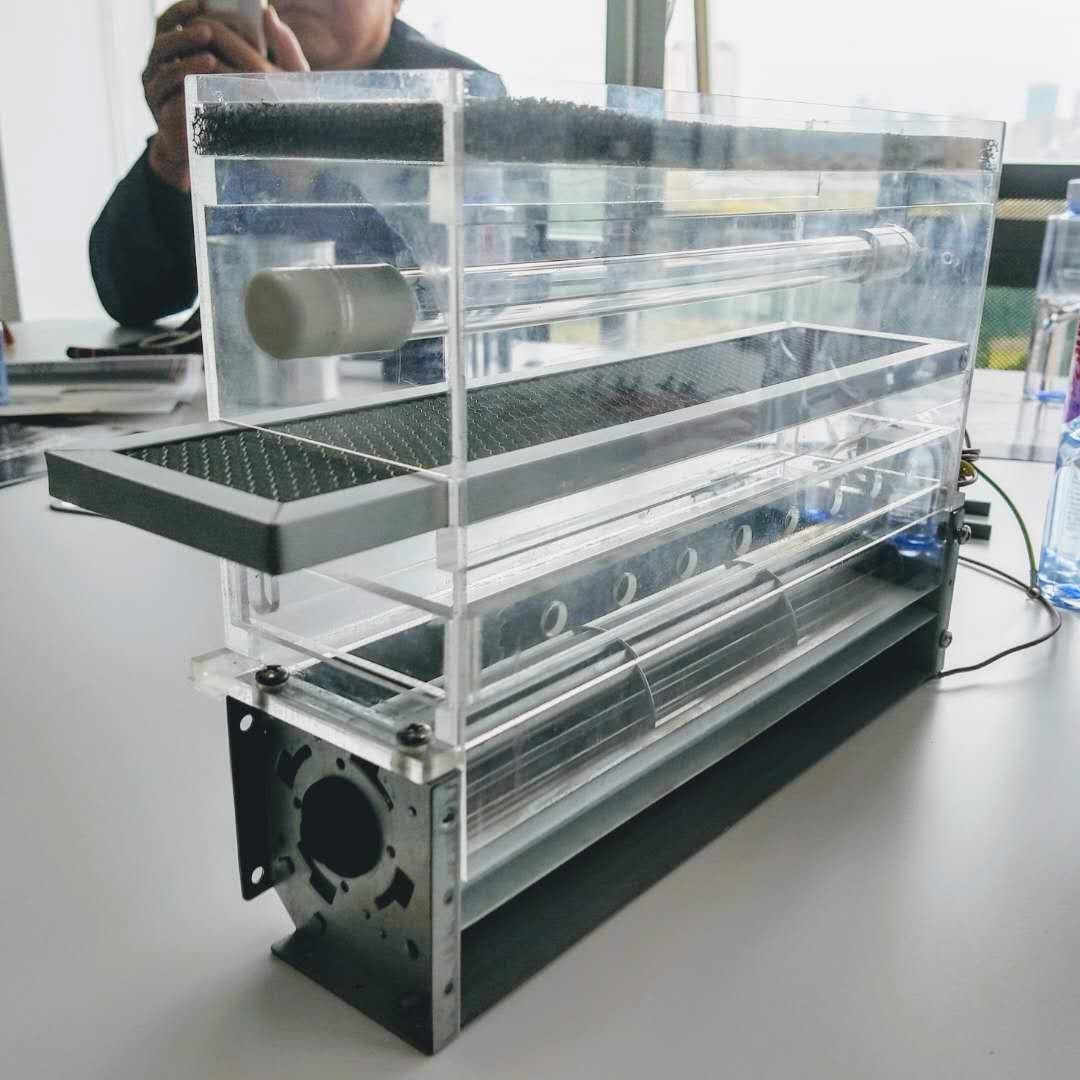
System concepts that can support broader airflow networks and facility integration.
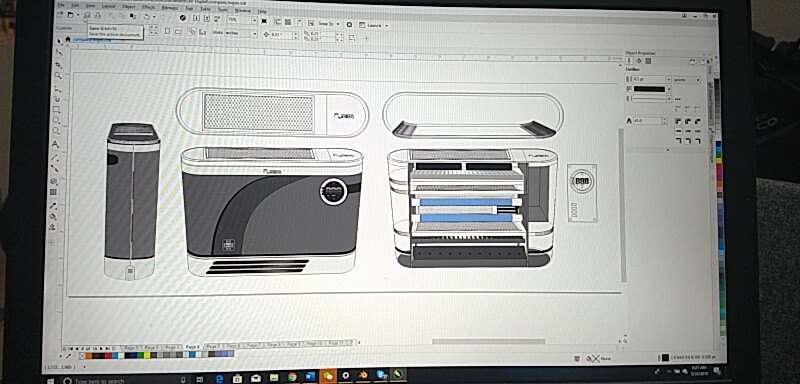
Purpose-built solutions informed by site conditions, use case, and treatment goals.
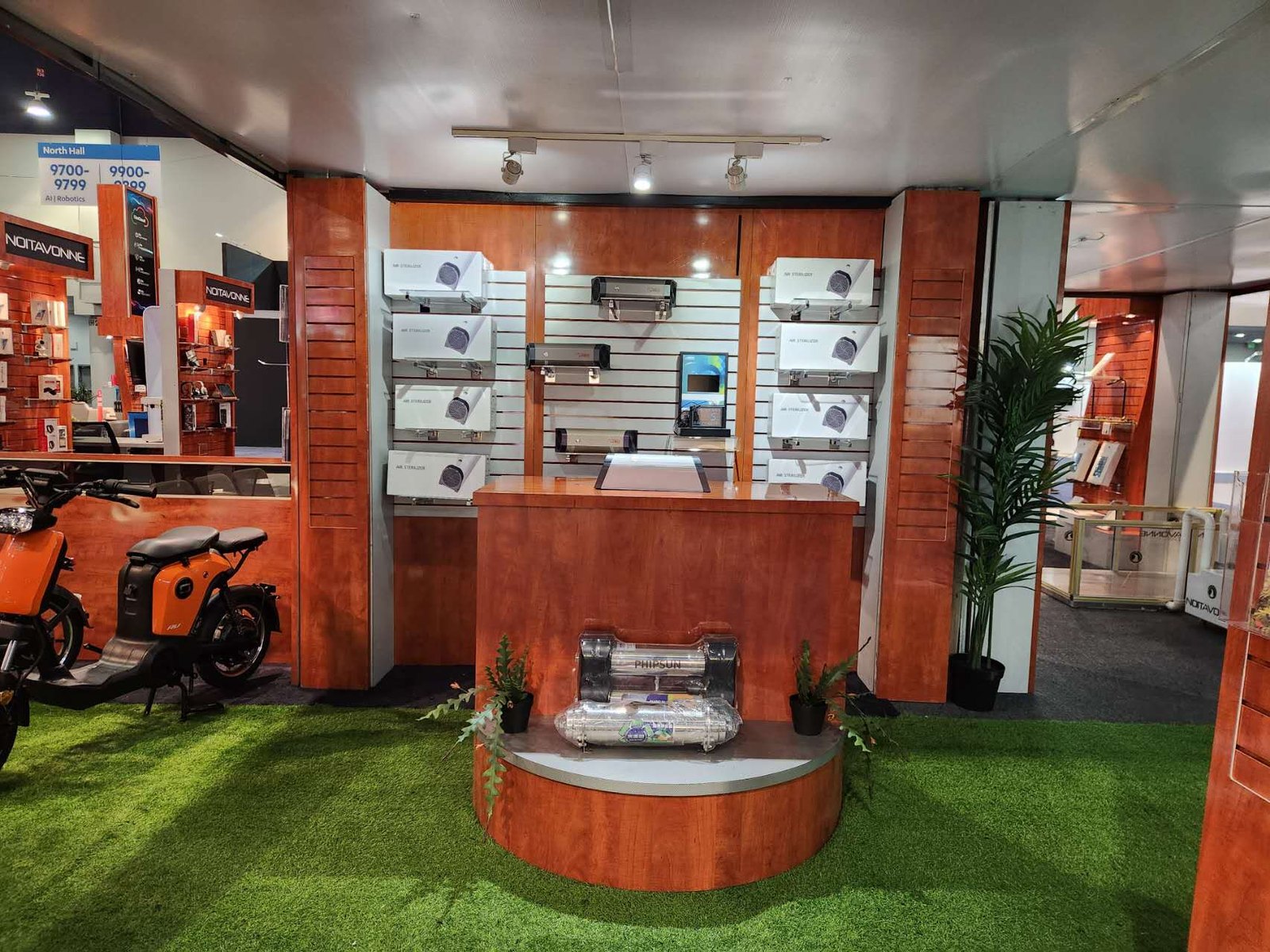
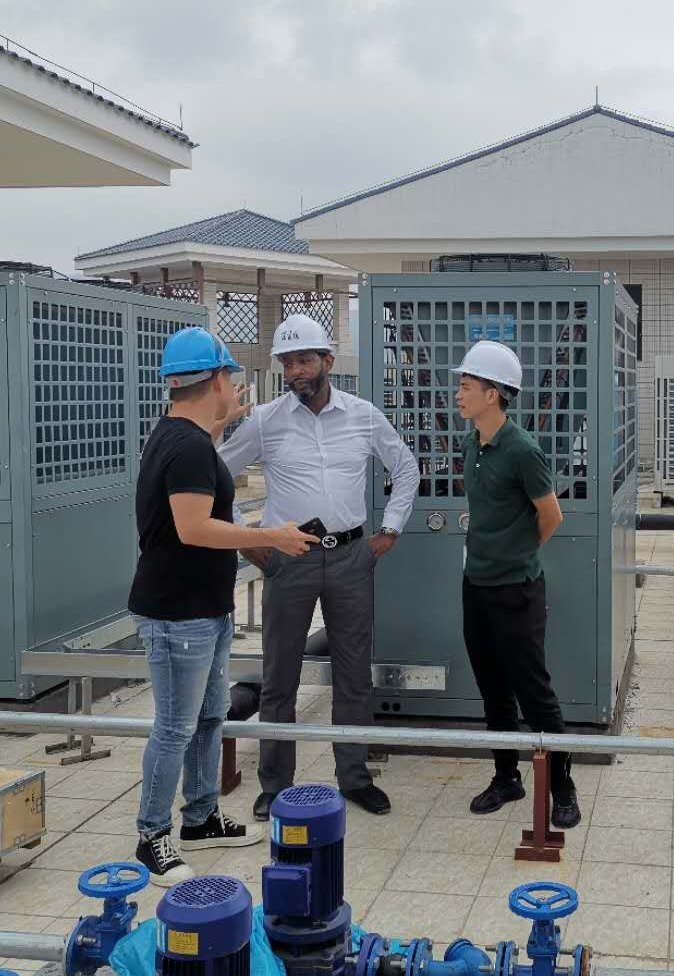
Nuairs development included collaborative work across showrooms, offices, factory floors, and rooftop system evaluations as concepts matured into more manufacturable products and environmental systems.
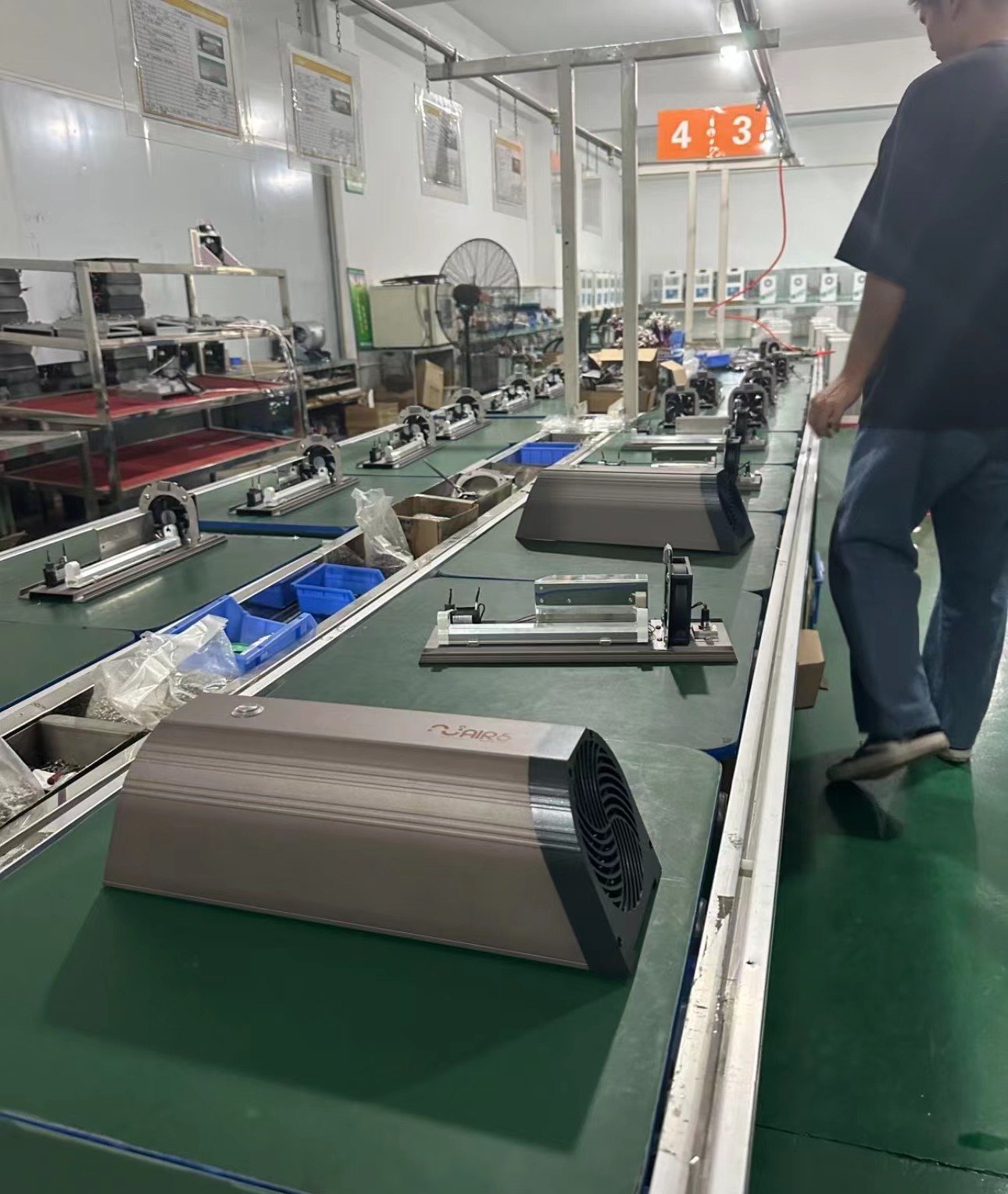
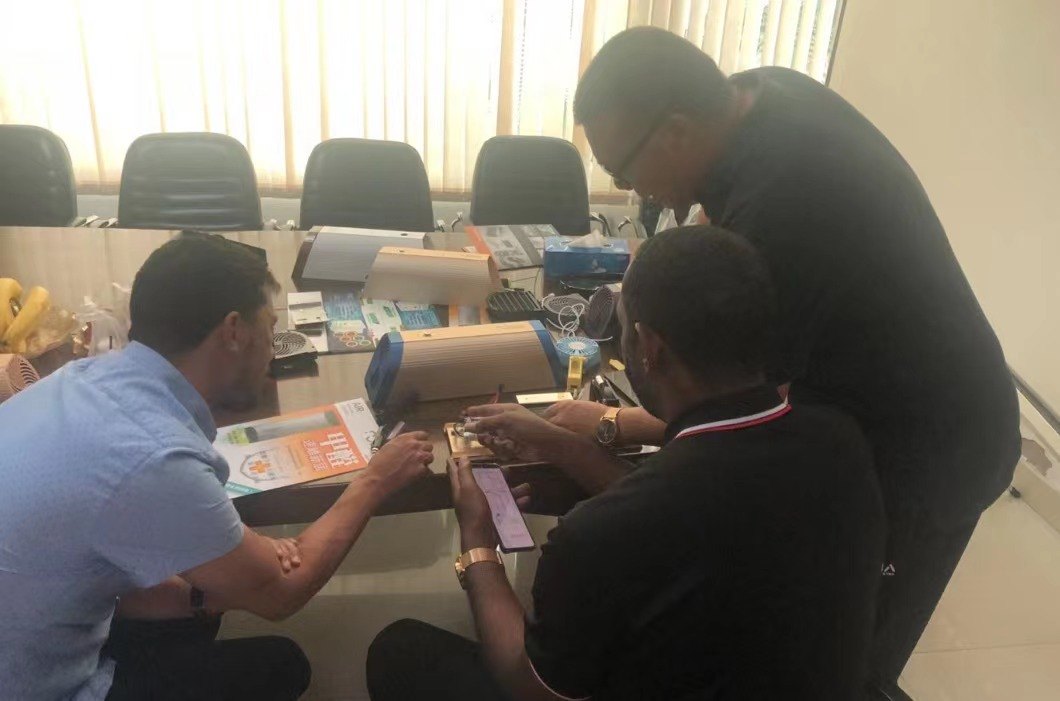
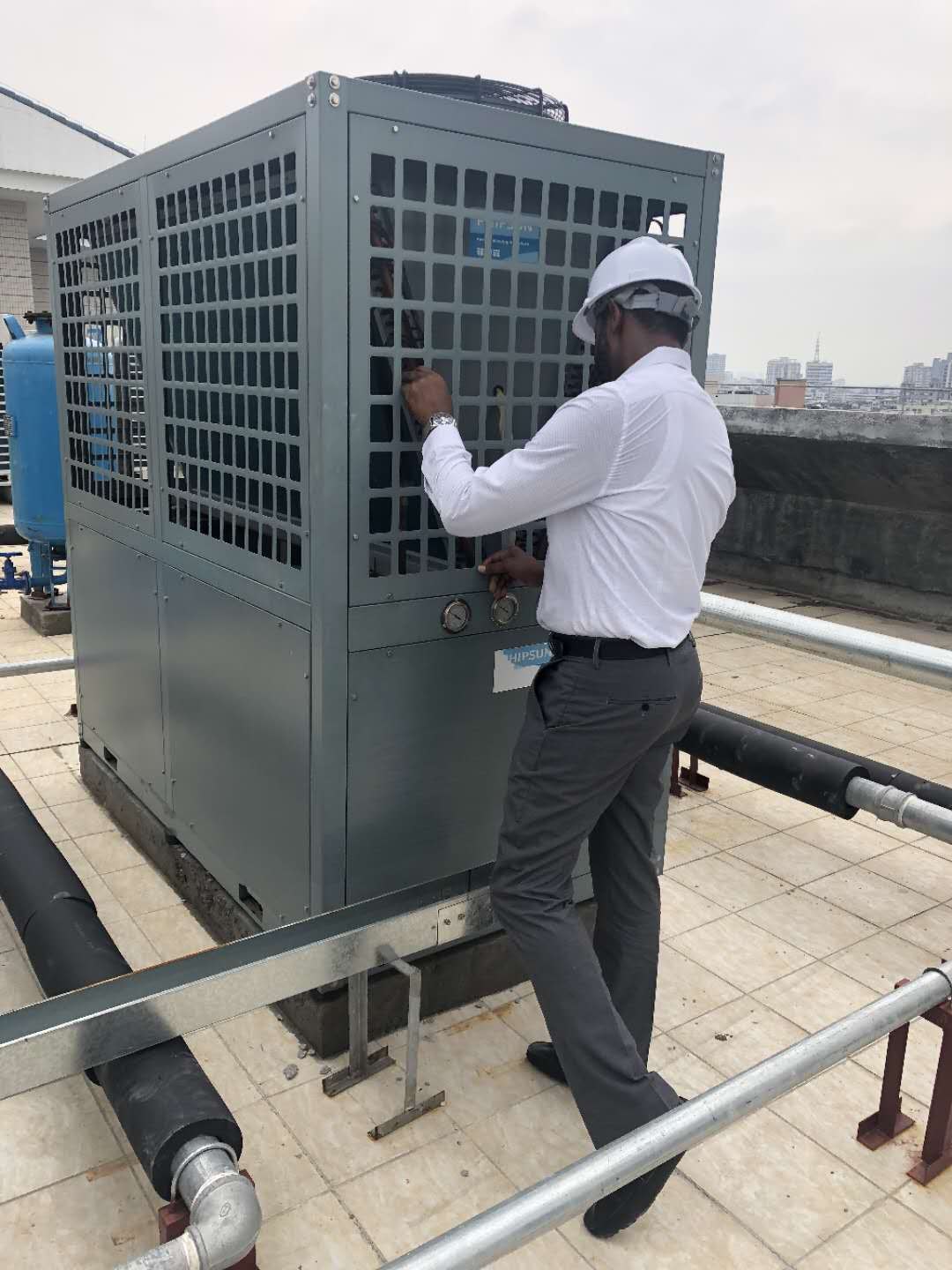
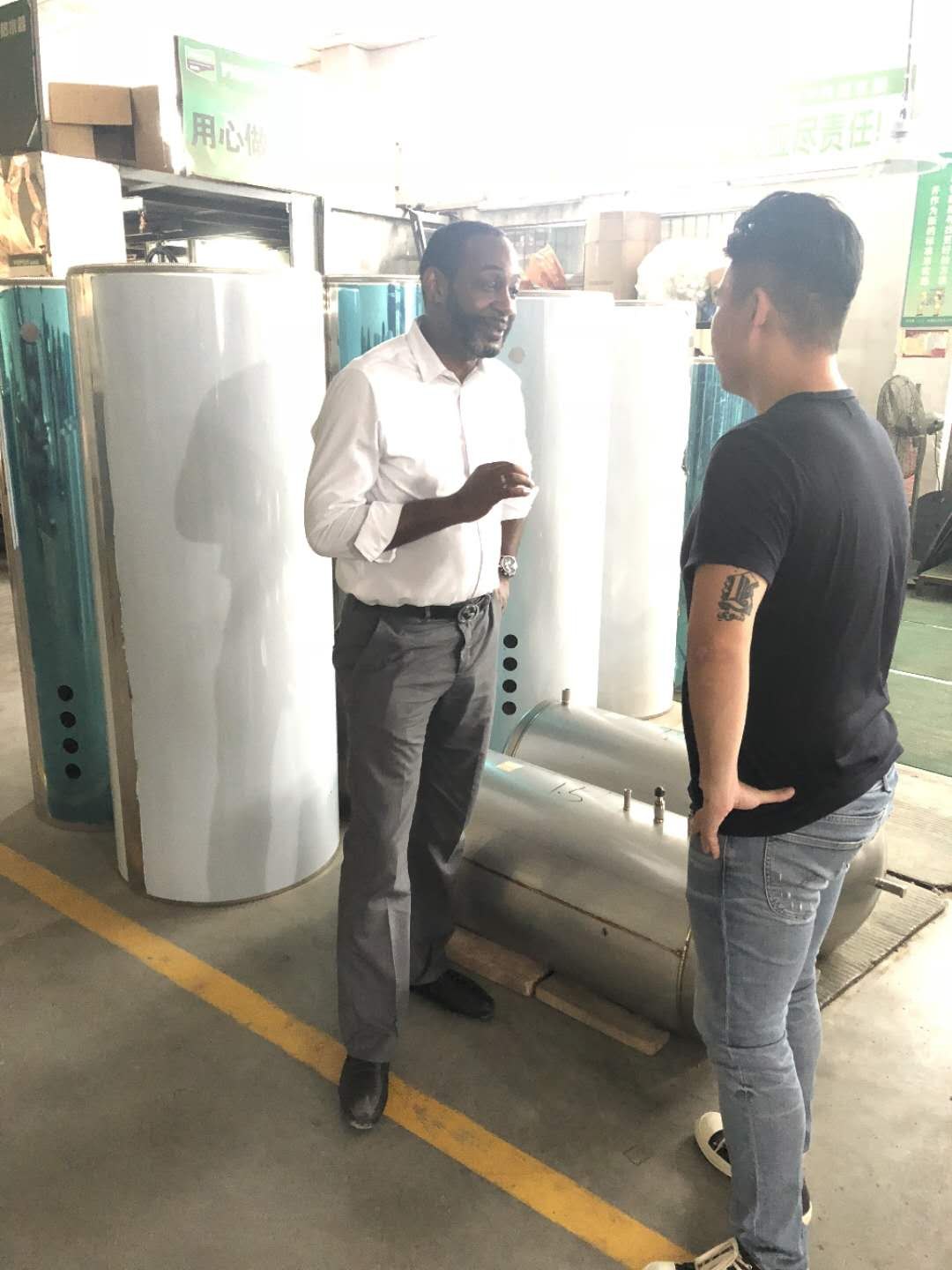
Site-level inspection and discussion around large-scale rooftop equipment and integrated environmental control conditions.
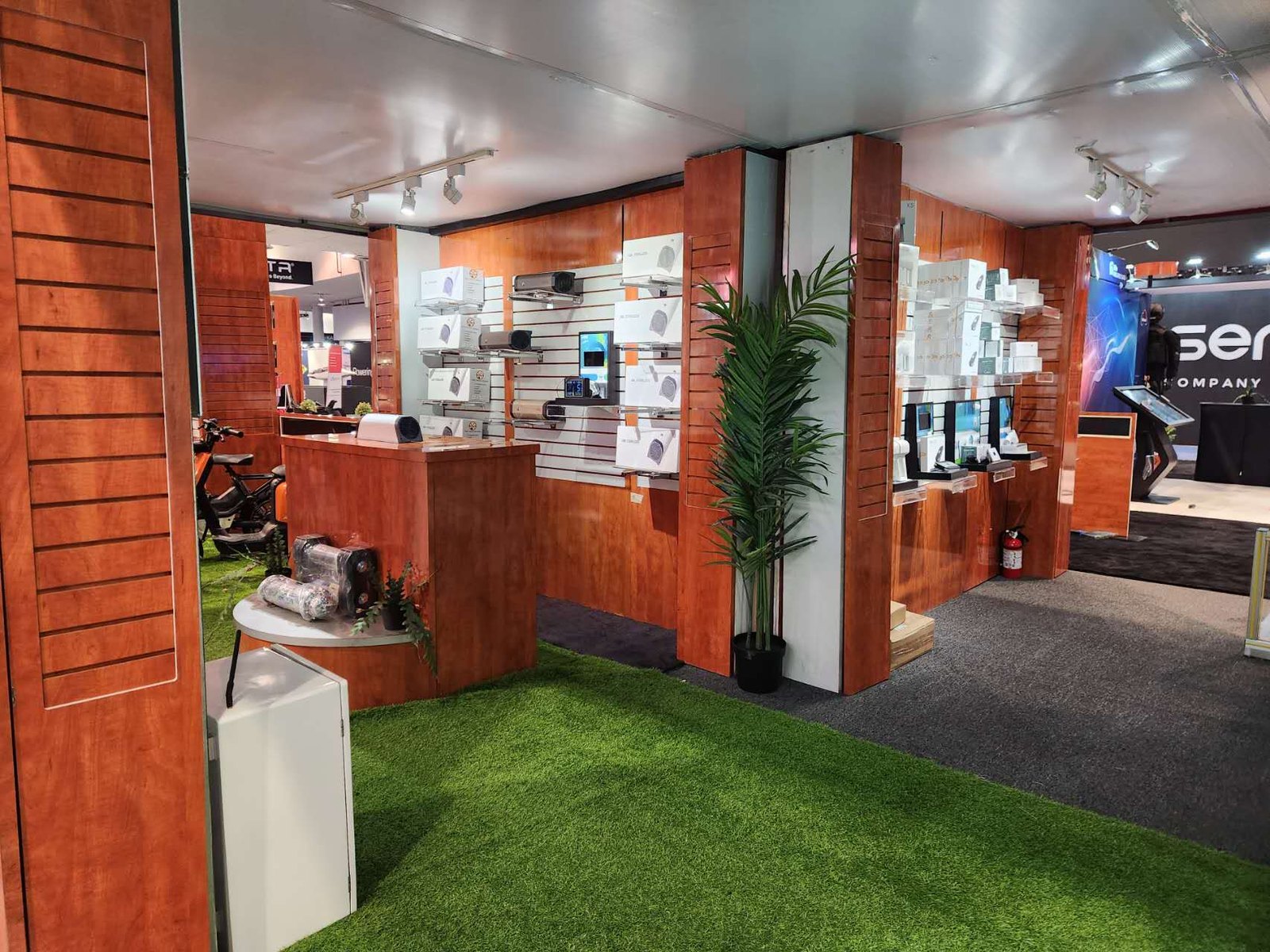
Retail and showroom presentation of product families as the brand moved from concept toward market-facing organization.
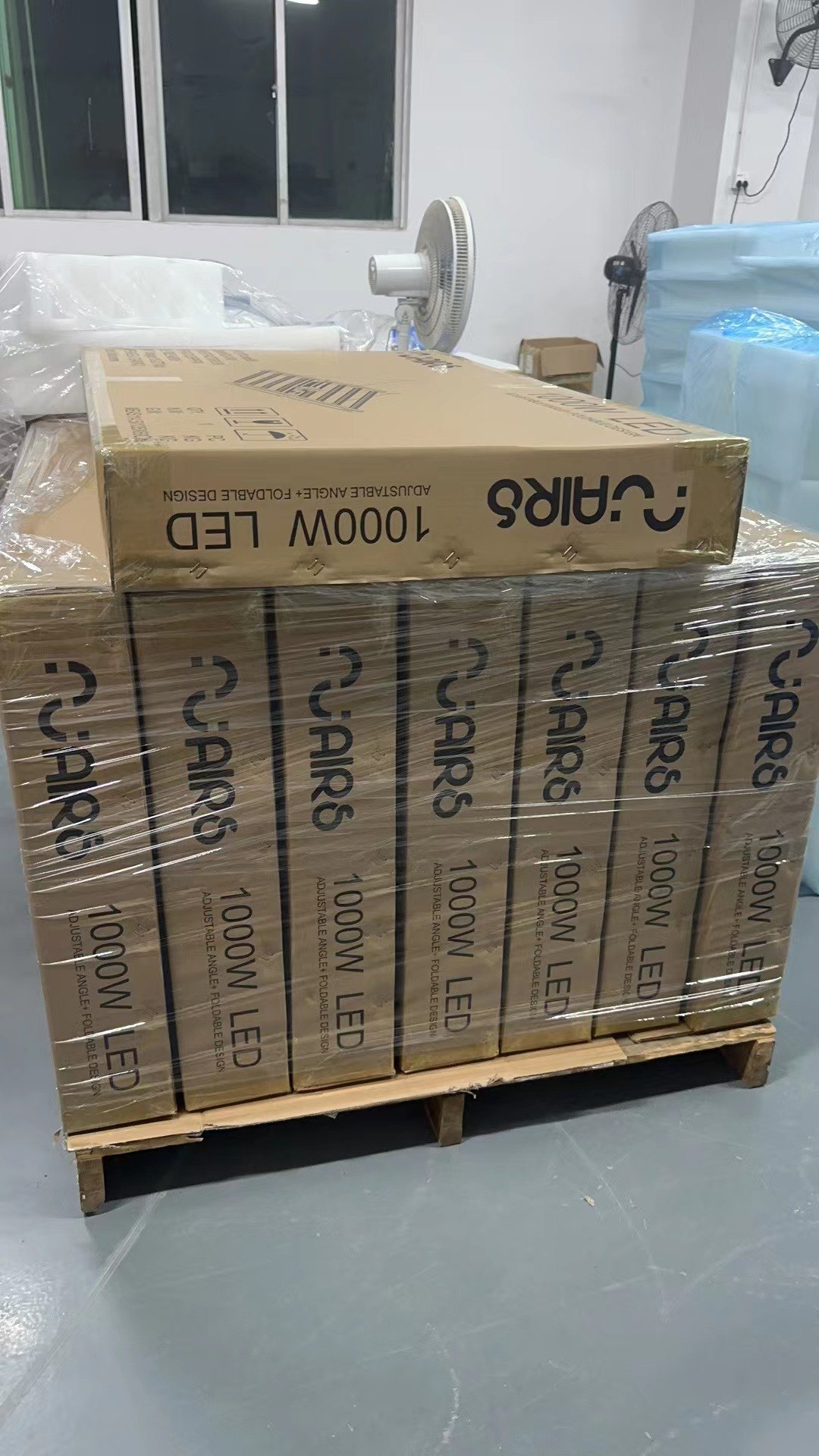
Packaging and product-readiness milestones marking a shift from engineering development to distributable physical systems.